
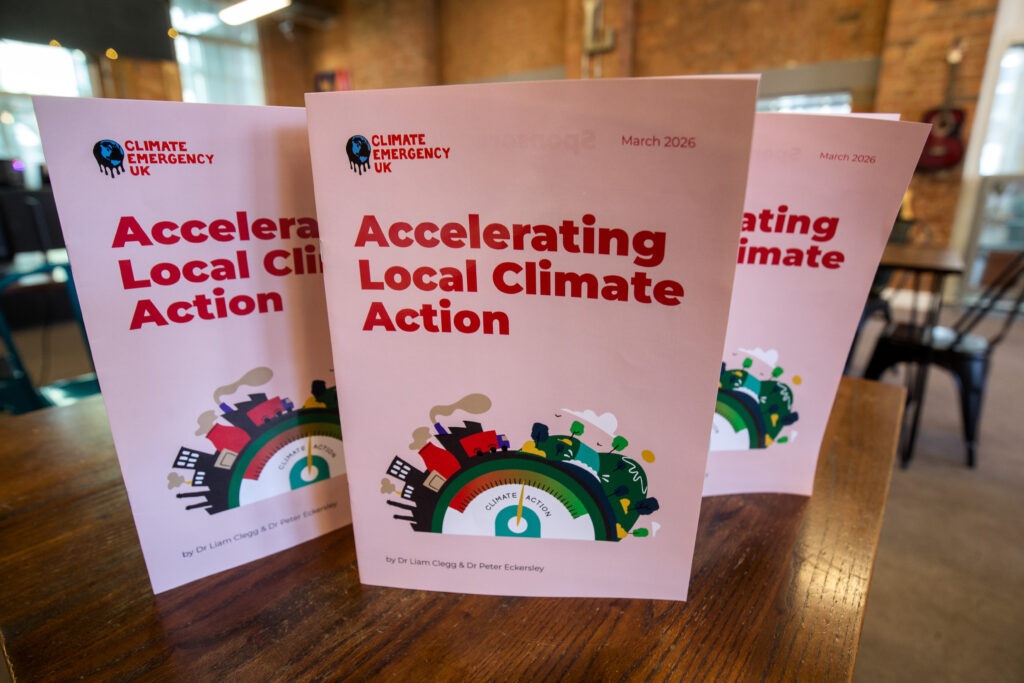
On a beautifully sunny Wednesday, 18th of March, Climate Emergency UK held our in-person conference for the launch of the “Accelerating Local Climate Action” report (you can read the report here). This research looked at what were the key factors that enabled councils to achieve higher scores in the 2025 Scorecards.
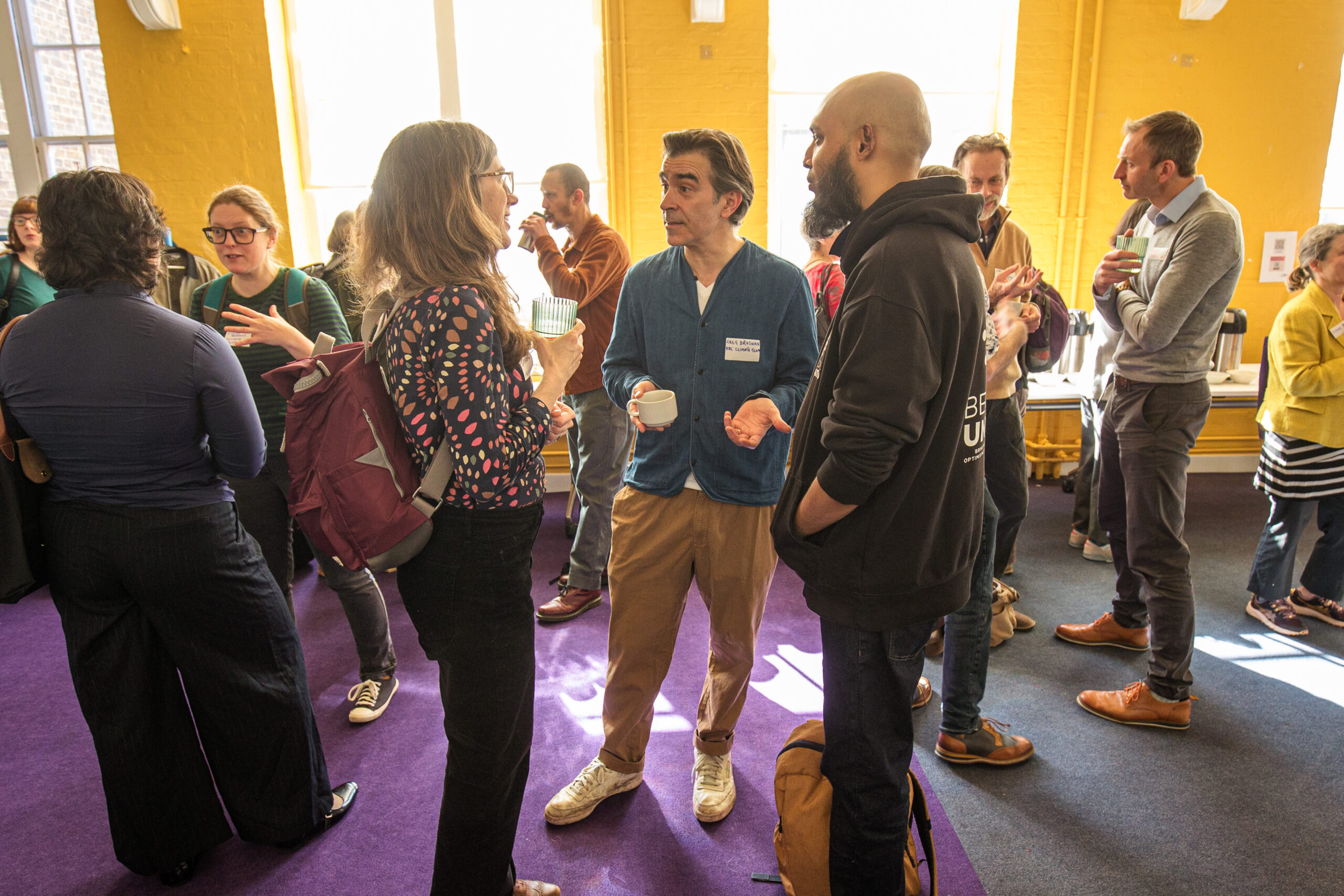
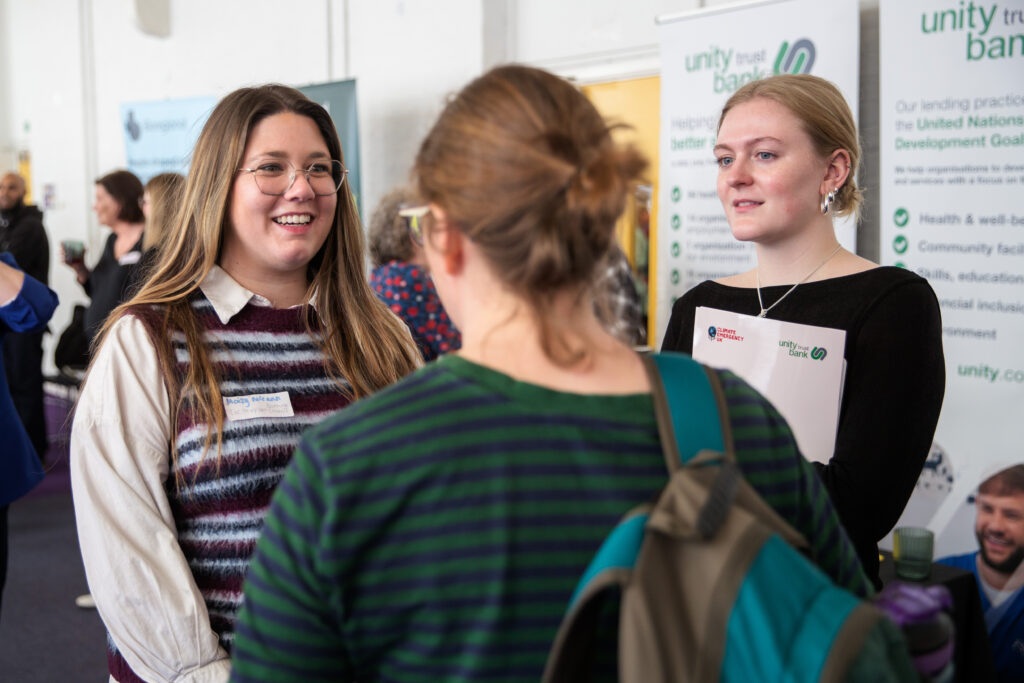
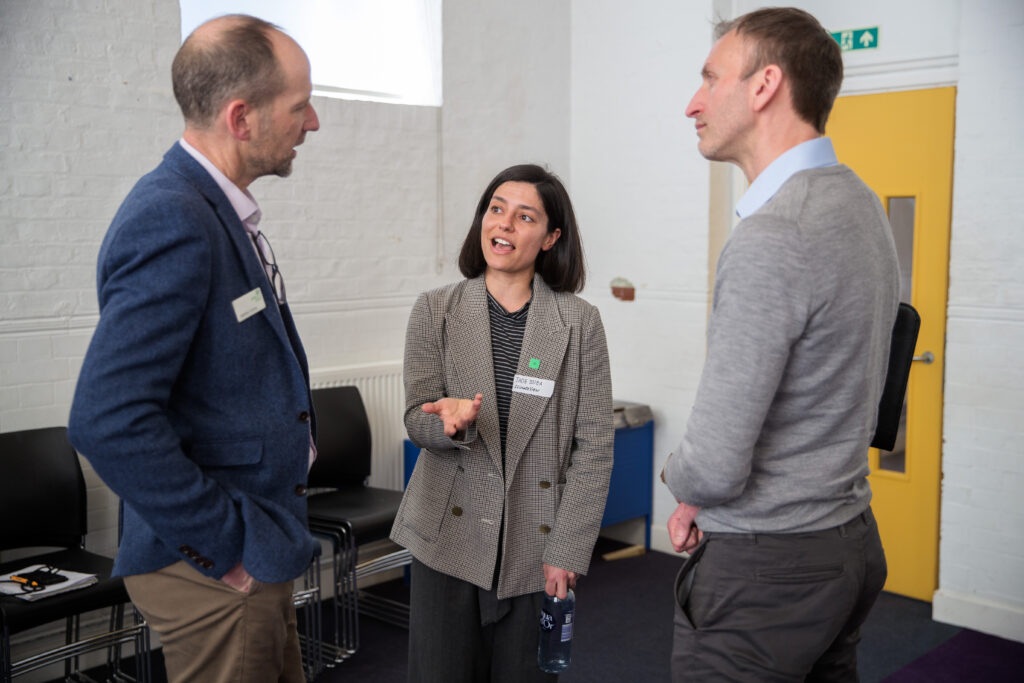
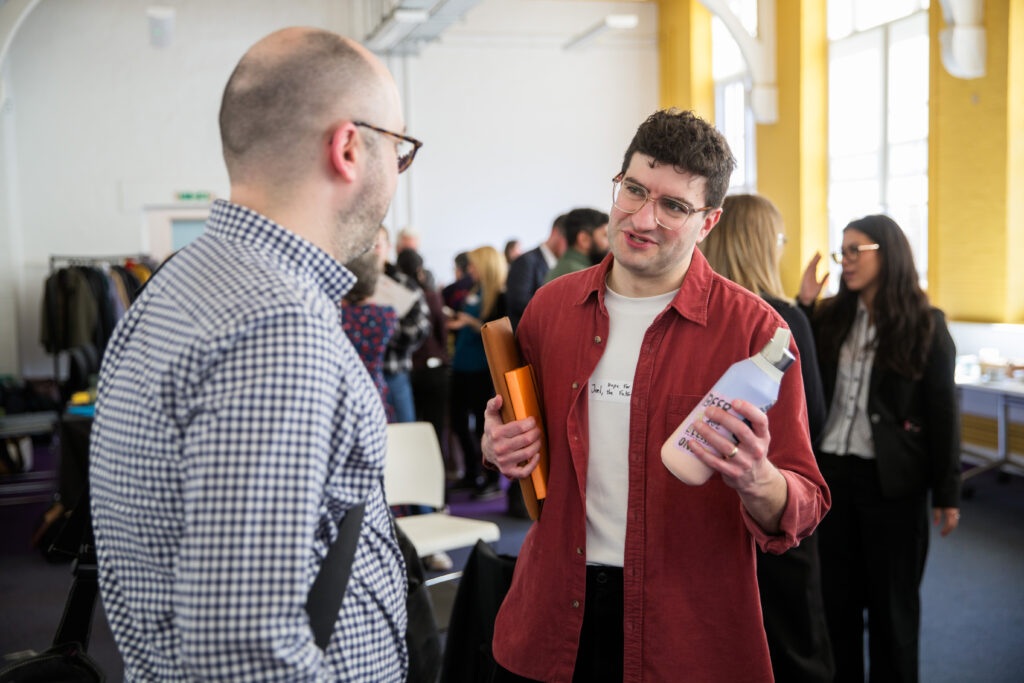
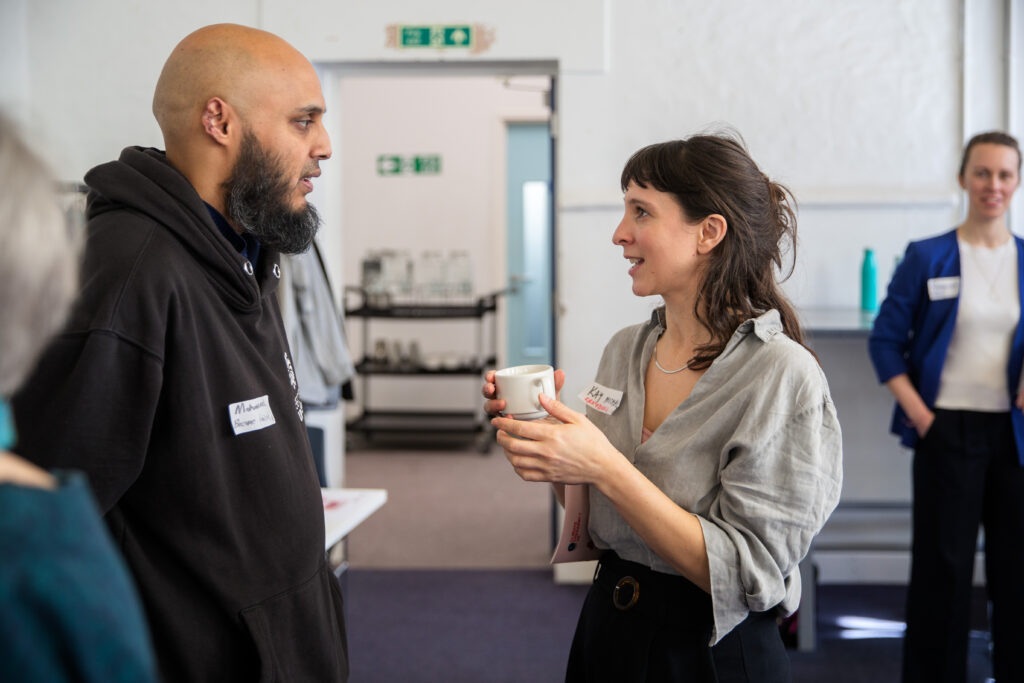
This was a record in-person event for Climate Emergency UK (CE UK) with over 80 attendees from 66 different organisations – from councillors, climate officers, campaigners and sector representatives. Those attending came from as far afield as Cumbria, or a short walk away in Islington.
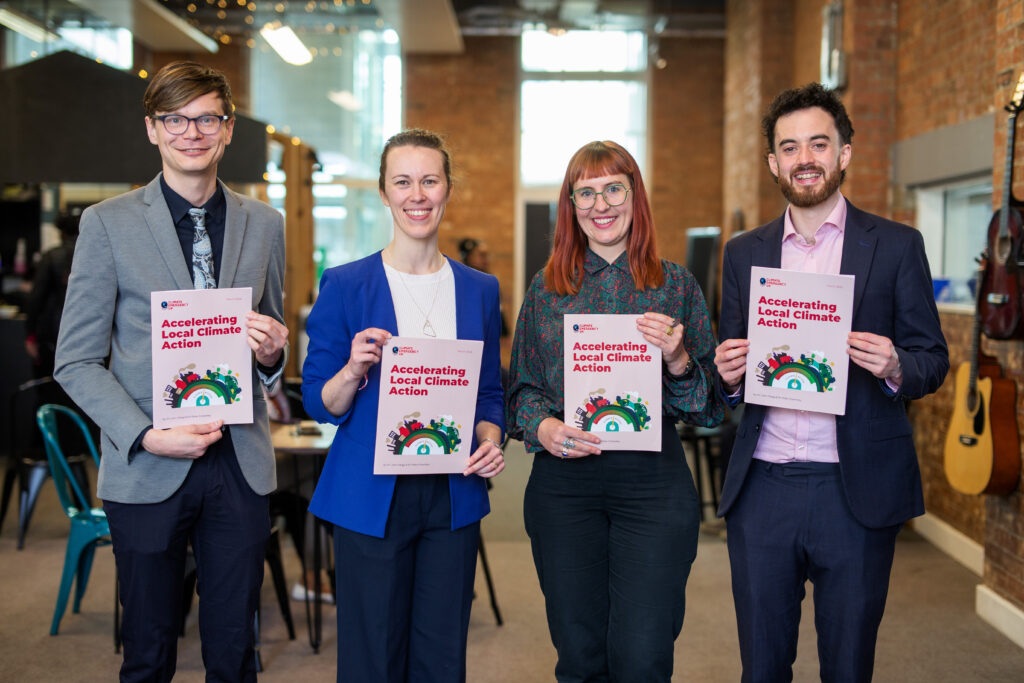
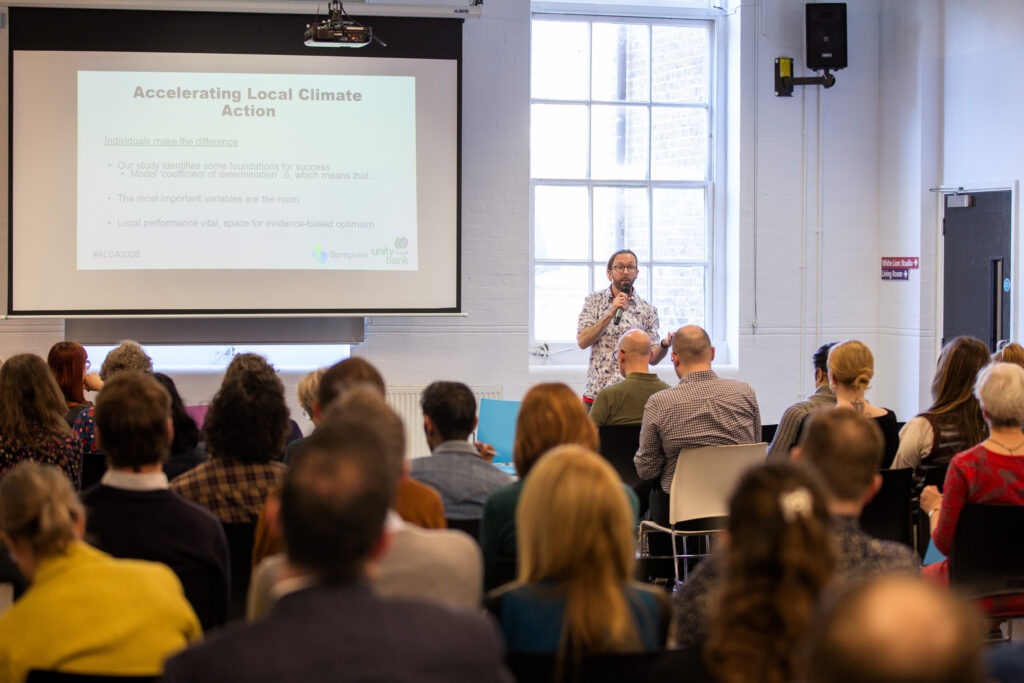
Our day started with the report launch from Dr Liam Clegg, University of York and co-author of the report, who laid out the key aspects that the research demonstrated:
- Money matters: Every £200 per capita increase in a council’s spending power is associated with a 0.8 percentage point improvement in its Scorecard performance.
- Institutions and Engagement matter: A Climate Change portfolio holder increases a councils’ Scorecards result of around 5.3 percentage points. Councils’ engagement with CE UK and the Scorecards increases their score by 4.1 percentage points.
- Public pressure matters: Increase in public support for net zero has a higher impact than spending power. A 1 percentage point increase in public support for Net Zero is linked to a 1.9 percentage point improvement in a council’s Scorecard performance.
As Dr Clegg stated, “our report shows that council resourcing matters. Overall, councils with higher spending power display stronger climate performance. This insight bolsters calls to introduce a statutory duty to act on climate change alongside targeted government financing to support action”.
Following this, there was a wide variety of questions from the floor, discussing councils’ perception of the support for net zero locally, and other ideas for how the Scorecards data could be analysed to support the calls for climate action as a statutory duty.
“Great enthusiasm from everywhere – Chair, Panel, participants. I learnt a lot and was inspired to know more.”
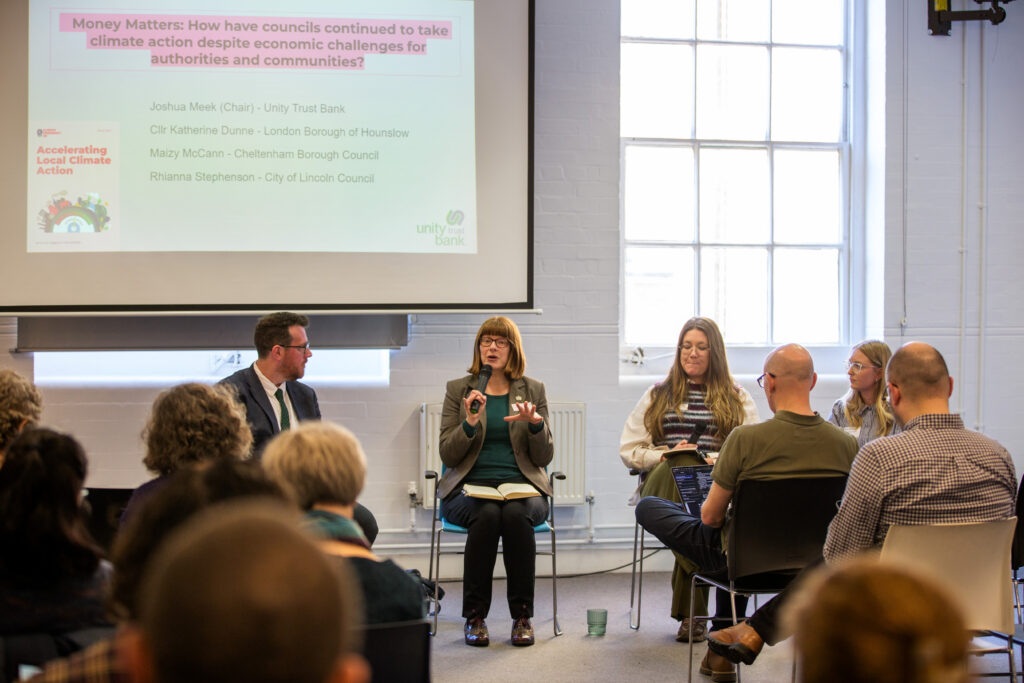
We then moved into our breakout sessions, covering “Money Matters: How councils continue to take climate action despite economic challenges” and “Public Pressure: How campaigners have won?”
Joshua Meek from Unity Trust Bank chaired this panel which featured Cllr Katharine Dunne (Hounslow), Maizy McCann (Cheltenham) and Rhianna Stephenson (City of Lincoln). Some highlights include the impact of the Local Climate Bond in Hounslow, the “award winning spreadsheet” from Cheltenham, otherwise named the Climate Impact Assessment, which has helped embed climate action through every team in the council, and Lincolnshire Citywide Climate Partnership to share resources and skills. We also had the announcement that South Norfolk District Council are bringing their operational net zero target forward (to 2028 from 2030) because they think they will achieve this. All of these are strong examples of councils taking effective climate action.
In the other session we heard from Christine Holloway (Winchester Action on Climate Crisis), Ted Maxwell (Save our Safer Streets), Victoria Marsom (Friends of the Earth). Christine talked about WinACC’s long relationship with the council, which has seen multiple administrations (of different politics) take climate action as well as the support they have gathered for solar farms in the area (read more here). Ted shared how a small but resourceful team of volunteers led a successful campaign to save the school streets in Tower Hamlets, despite a fiercely oppositional Mayor, and organising the community response with petitions, action days, letter writing and even taking on a legal challenge – which they won. Finally, Victoria explained the influential role Mayors play and how FoE empowered local campaigners to demand ambitious mayoral policy across the region, making sure everyone is represented. The small discussion circles worked really well, with participants appreciating the chance to interact directly with speakers.
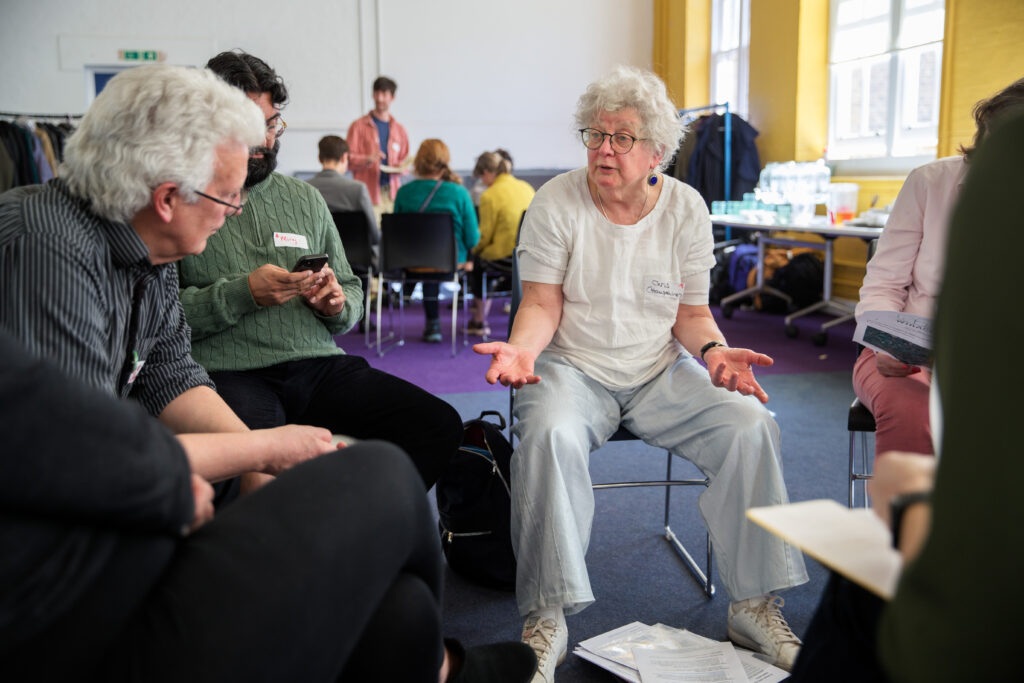
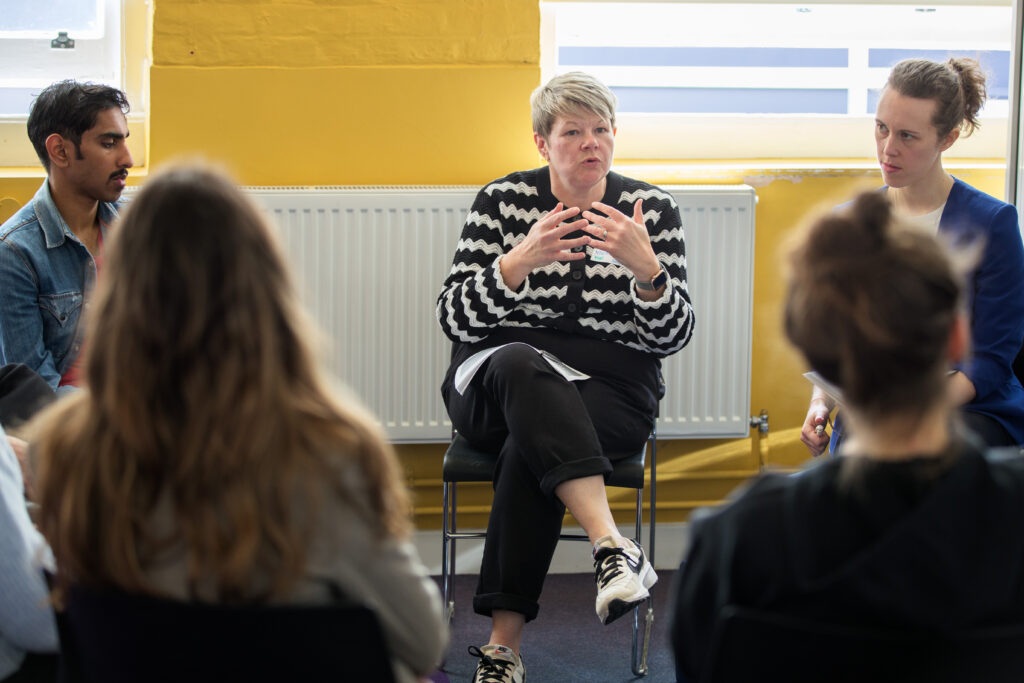
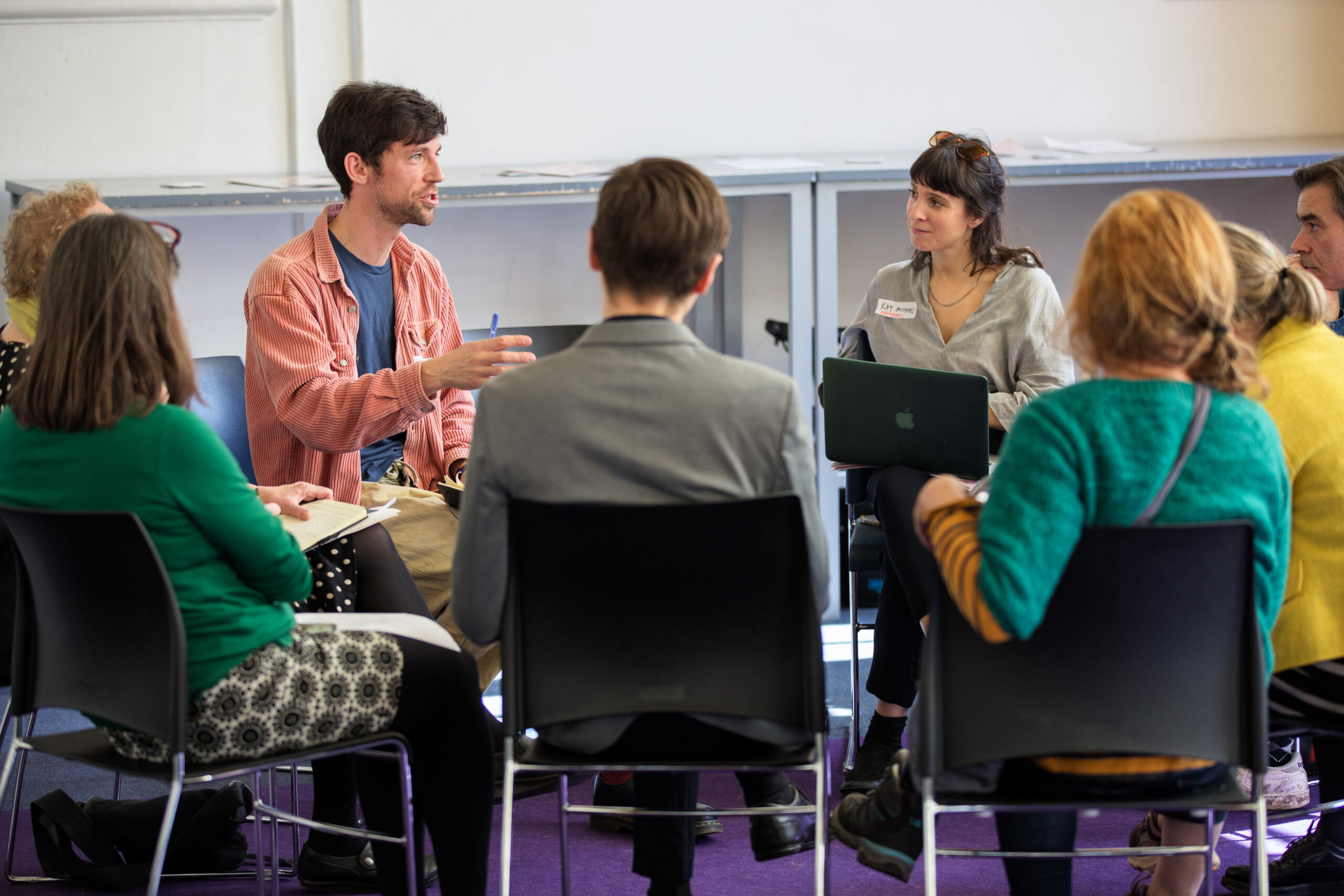
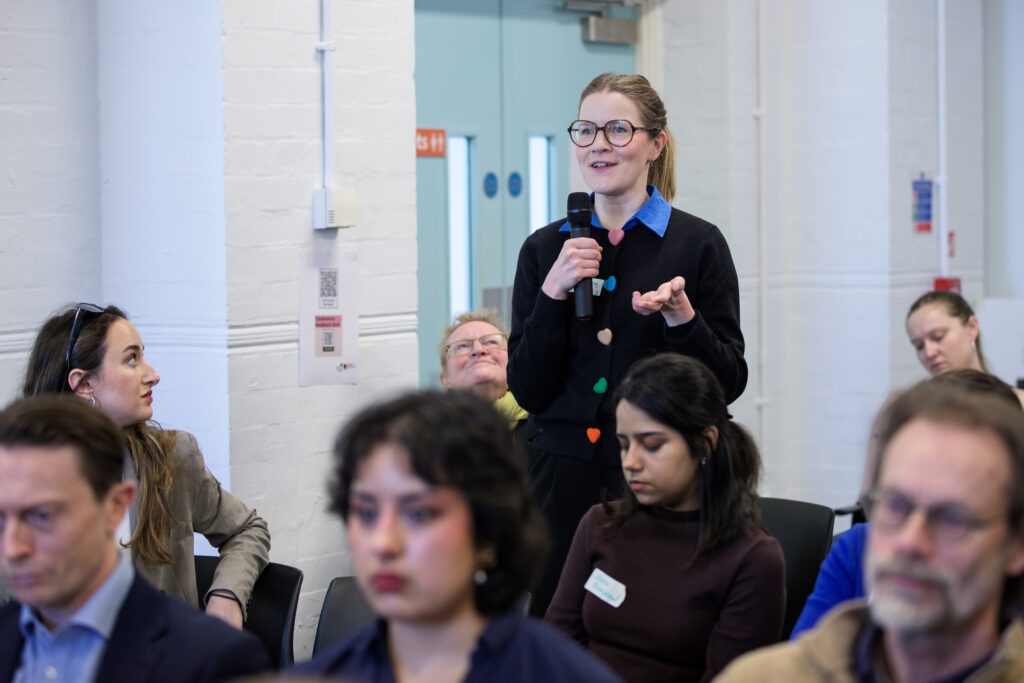
“I liked how interactive it was and that there weren’t too many long presentations.“
We had a wonderful Peer Networking session focusing on how people can work together to see more local climate action and how the biggest barriers to climate action can be overcome. Networking continued over lunch – a great vegetarian/vegan lunch supplied by Lift Islington (the spicy bean wrap was particularly good).
To end, we had our final panel with Mike Hakata (former climate cabinet lead at Haringey), Jamie Clarke (Engaging Climate), Ruby Hornsby (Hope for the Future), David Evans (Birmingham City Council) talking about how councils can encourage wider support for climate action from residents. Jamie advocated for residents and councils to keep talking about net zero and climate change in the face of some parties wanting to scrap it, otherwise we can’t change perceptions and conversations about something people don’t know about. Ruby added the importance of fostering trust, ownership and developing the long term buy-in for climate policy by working with community and underrepresented groups. David added to this, sharing the Birmingham Climate Change Engagement Framework that aims to keep climate comms “Local, Accessible, Honest and Human” and a wider discussion was had about how engagement goes both ways from residents and councils and the support available for both groups here.
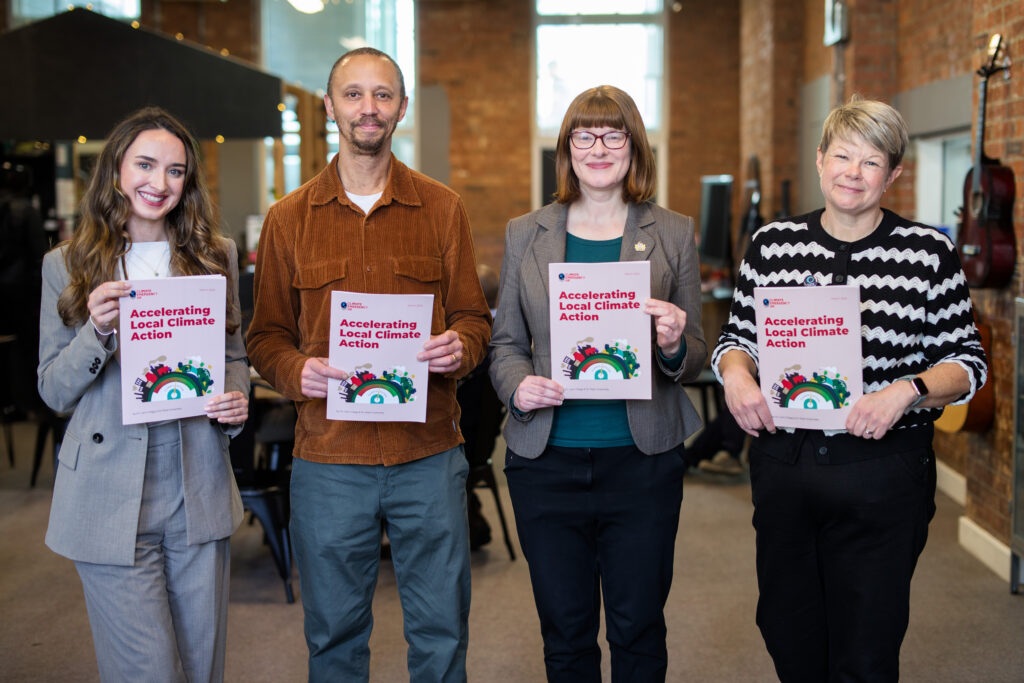
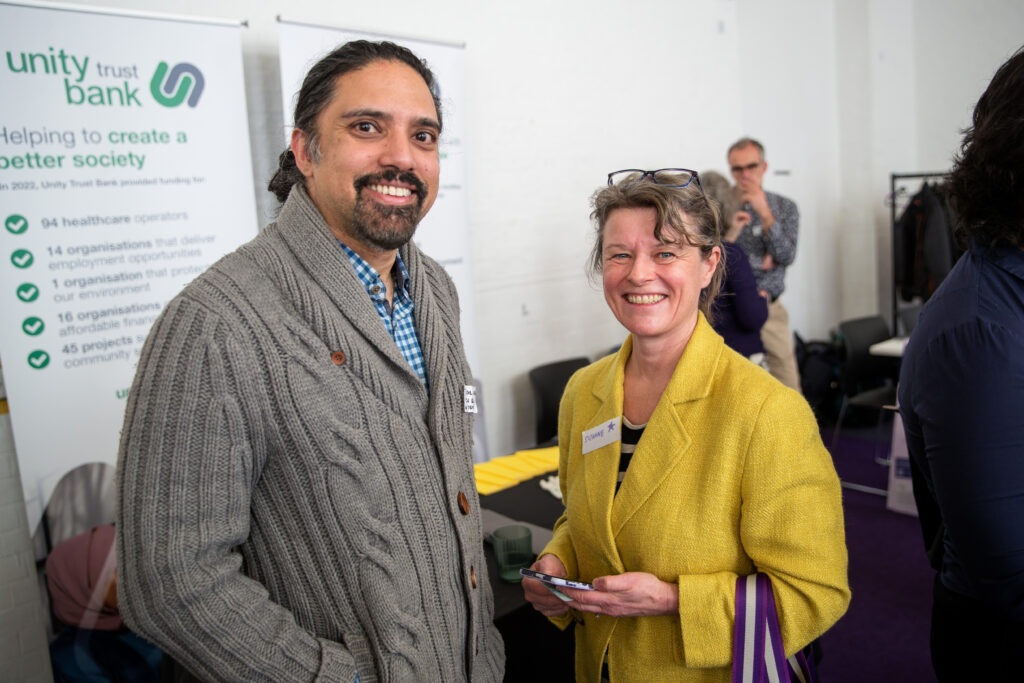
Thank you to all the speakers – feedback has highlighted that participants really valued the varied range of perspectives and insights, and thank you to all the attendees whose enthusiasm and support for local climate action was clear to see.
We would also like to thank our headline sponsor Unity Trust Bank and partner sponsor Bioregional for their support for the conference as well.
At CE UK we have always sought to bring people together to accelerate local climate action. We see ourselves as working with and across councils, local residents and the sector to further local climate action. Alongside the Scorecards, the only UK wide assessment of council climate action, this is the value we believe we bring to the local climate sector.
Want to get more involved? Sign up to the June Local Climate Academy for Council Officers, and volunteer with us to create the 2027 Scorecards.

JOIN
our mailing list